

Australia-EU FTA text only partly released: some positives but full analysis after full text released in September
After eight years, the negotiations for the Australia-EU Free Trade Agreement concluded on March 24. The text was not released, only government summaries of mostly good news stories about cheaper imports and more market access for Australian products to the EU. See our media release with preliminary comments here.
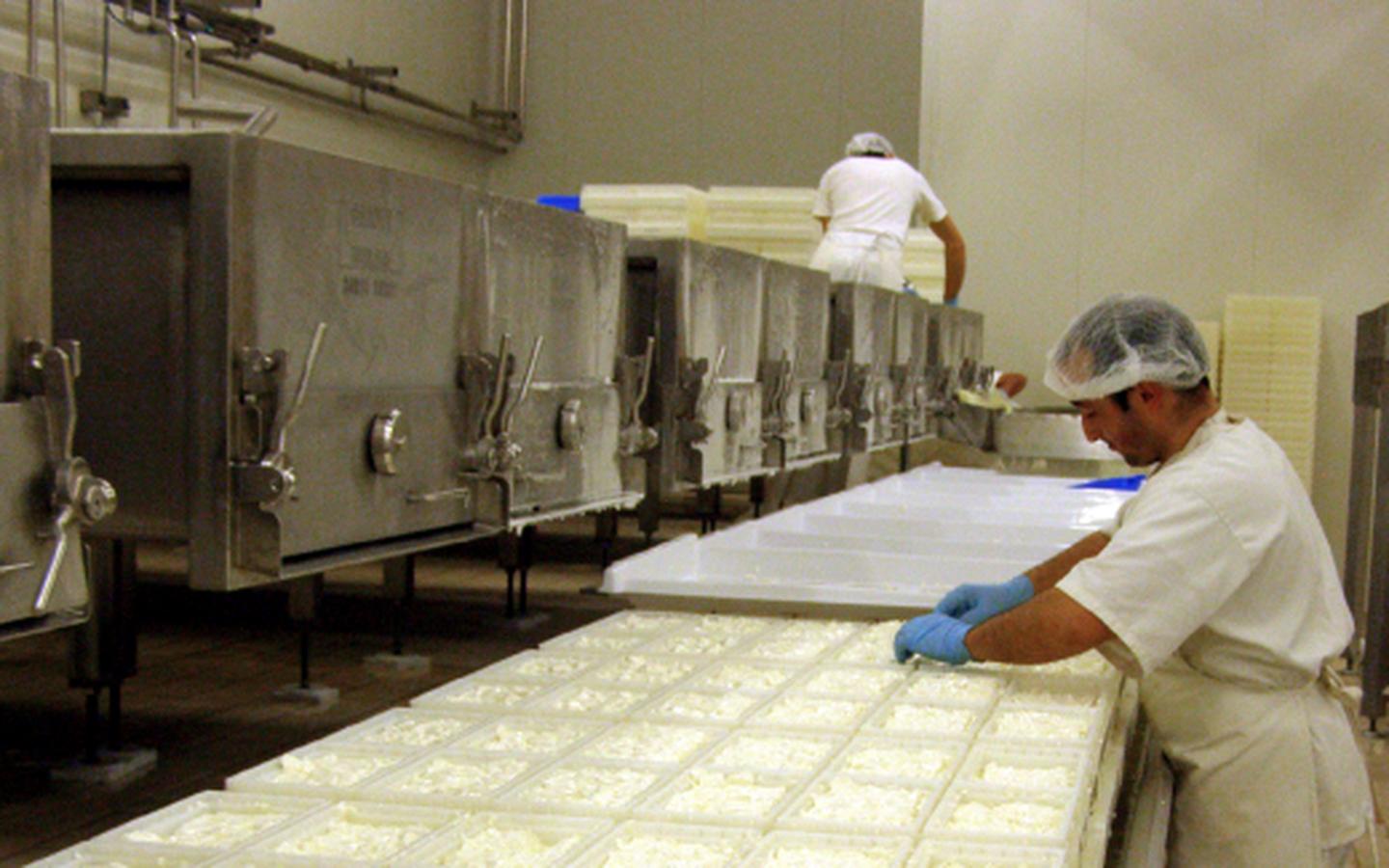
The main final sticking points were on more market access for Australian farmers to EU markets, especially for meat and dairy products, and the EU rules about Geographic Indications (naming rights for prosecco, feta cheese etc). The outcome is some improved market access and retention of some naming rights if products are labelled Australian, with some names to be phased out for exports. Meat and dairy farmers are opposing the deal because they unhappy with the level of market access, but there has been some positive reaction on the naming rights.
The general framework of the agreement is to remove tariffs and minimise regulation for business, with exceptions intended to preserve government rights to regulate in key areas. As always, AFTINET analyses the impacts on human rights, labour rights and the environment.
The provisional text released on March 31 is not complete. Many of the protections for government rights to regulate are in the detailed Annexes on services, labour mobility and government procurement which show inclusions or exceptions which will be published in September after legal checking. We can’t do a full analysis of the impacts of the agreement on government policies and on people until we have these Annexes.
The agreement will be signed after the full text is published and both governments will start their parliamentary processes towards the end of the year. In Australia the text will be reviewed by the Joint Standing Committee on Treaties likely in early 2027. This cannot change the text but there are public submissions and public hearings. Parliament can only debate and vote on the implementing legislation, which will mainly be about tariffs, before ratification.
AFTINET’s criticism of this secretive and undemocratic process is well-known and we influenced government policy to have a Parliamentary inquiry in 2024 which recommended legislating for a more open process, and for the exclusion of ISDS and some other harmful provisions and inclusion of enforceable labour rights and environmental standards. This legislation was due last year but was bumped down the queue and is now supposedly due in mid-2026, but any change will be too late for this agreement. We are urging the government to introduce this legislation.
The ratification process through the European Parliament will probably take most of next year so the agreement will not come into force until the end of 2027.
What follows is an interim analysis of the text that we have pending a full analysis in September.
No ISDS, strong commitments on labour and environmental standards, including climate change, but enforceability needs clarification
The good news is that there are no special investor rights to sue governments (Investor-State Dispute Settlement or ISDS) in the agreement. There is a state-to-state dispute process which is used in all trade agreements to deal with disagreements about implementation of the agreement.
There were some original EU demands at the start of negotiations from their Big Pharma companies for longer medicines monopolies in the intellectual property Chapter 17. These are not in the chapter, which is also good news.
Chapter 18 Trade and Sustainable Development has strong commitments to international agreements on labour rights including for seafarers (Article 18.3) and environmental standards including the Paris agreement commitments on net zero (Articles 18.5 and 18.6). It appears these commitments can be enforced through the state-to state disputes process in chapter 24. The catch is that, like other previous agreements including the CPTPP and the Australia-UK FTA, the definition of a violation to establish a labour rights or environment/climate change dispute is more onerous than for other chapters (Articles 18.2 and 18.6.2). There are also special provisions in the disputes chapter for disputes in these areas (Article 24.17 .9). We are seeking clarification about how this would work in practice.
There are also commitments in Article 18.4 to implement the UN Convention on the Elimination of All Forms of Discrimination Against Women. Indigenous rights are mentioned (18.7 and 18.9) but there is but no commitment to the UN Convention on Rights of Indigenous People, which is a bad omission. The commitments on women and Indigenous peoples are not enforceable through the dispute settlement chapter which is also disappointing.
Missing Annexes which could limit government regulation for key chapters
The chapters with missing Annexes need checking because the EU wanted more market access and less regulation are:
- Services Chapter 9 Annexes 9 C and 9D: we need these to check that there are full exemptions to allow changes in public interest regulation for public services like health and education and publicly funded services like child care and aged care, and other essential services. These exemptions also apply to the digital trade chapter.
- Temporary movement of people Chapter 9 Article 9.23 and Annex 9F: we need the annex to check that labour market testing can be used to ensure that temporary workers address genuine labour market shortages and are not exploited because they are tied to one employer and can be deported if they lose the job.
- Chapter 13 Government Procurement and Annex 13B: Small and Medium enterprises, (SMEs) local government and Indigenous procurement continue to be exempted, which is good news because it should allow government preference to assist local industry development. But we need to see Annex 13B because it contains the list of federal and state government agencies to which the procurement rules will apply. We need to check that there are no additions or surprises.
AFTINET will produce a full analysis after the full text is released in September.