health


Do international trade and investment agreements generate regulatory chill in public health policymaking? A case study of nutrition and alcohol policy in South Africa
Given the potential for wider use of the ISDS mechanism, strategies to protect public health policy space in the context of both international trade and investment treaty and dispute settlement contexts remain important.
Defending access to medicines in regional trade agreements: lessons from the Regional Comprehensive Economic Partnership
This paper examines civil society and health actors’ views of the conditions that successfully contributed to the removal of these measures in RCEP, with a focus on intellectual property and access to medicines.
Fears junk food regulation chilled by free trade agreements
Efforts to combat child obesity have fallen behind the pack as international free-trade agreements threaten to put a “chill” on junk food regulations, experts say.
In memory of Heesob Nam, a patent attorney who fought against vaccine inequality until the end
Heesob Nam, a patent attorney who dedicated his life to preventing the monopoly of 'intellectual property' by a few, passed away on May 10th.
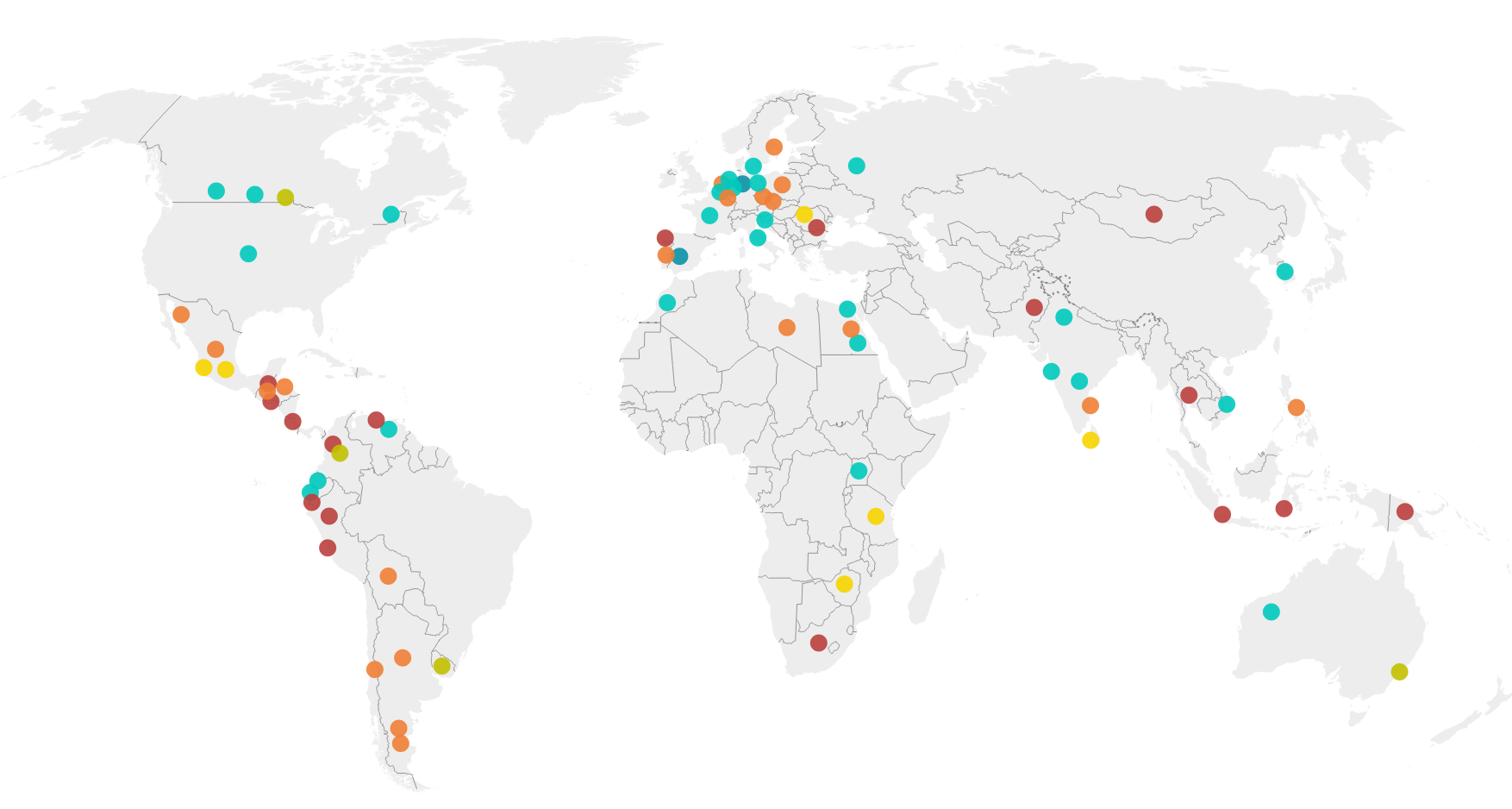
ISDS case map: Health
Corporate courts threat to insects
The shadowy parallel court system of major trade agreements makes it difficult for countries to ban broad-spectrum insecticides.
UK-Australia trade deal could mean children and patients eating meat reared in ways illegal in UK, warn experts
‘It would be grossly hypocritical for the government to allow unsustainable meat to be served in schools and hospitals,’ say critics
Growing trade ties bind India to Africa's future
India has stepped up its global ambitions and foreign policy re-engagement with African countries in recent years. India is now the third largest export destination and the fifth largest investor on the continent.
Intellectual property and COVID-19 medicines: why a WTO waiver may not be enough
The COVID-19 pandemic, and the race to make vaccines and other useful technologies more accessible to people around the world, has once again highlighted the tension between intellectual property rights and the promotion of public health.