

- Amount demanded: US$ 92 million
- Outcome: pending
- Treaty invoked: Energy Charter Treaty
- Sector: fossil fuels
- Issue: climate, environment, health
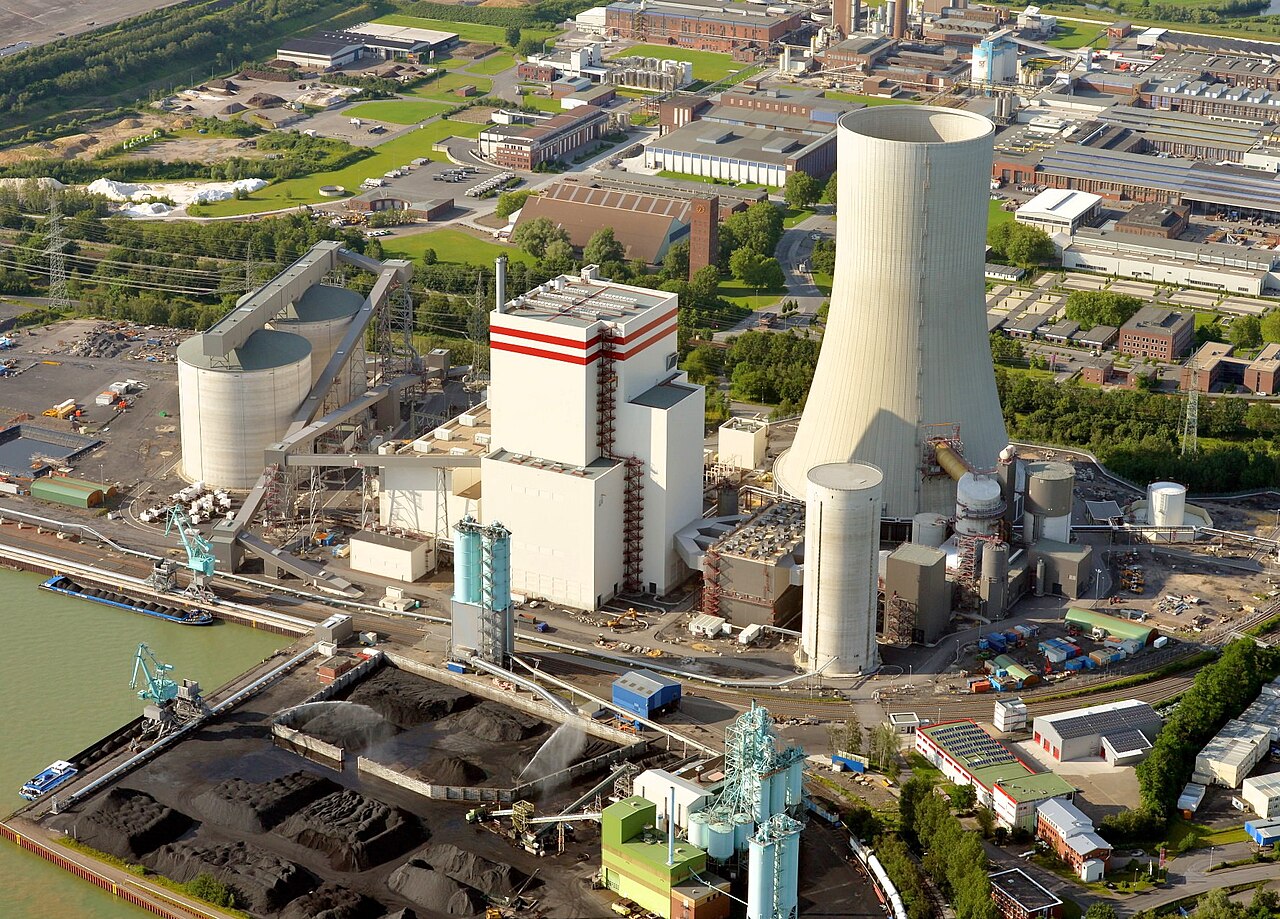
In 2021, the Swiss public utility Azienda Elettrica Ticinese (AET) launched an investor–state arbitration against Germany over the country’s coal phase-out policy. The case concerns AET’s minority participation in the Trianel coal-fired power plant in Lünen, which is scheduled to close as part of Germany’s legally mandated coal exit.
AET invested in the plant through a consortium of municipal utilities and became a minority shareholder after construction. The facility began operating in 2013 but struggled financially for much of its lifetime. Market developments—including falling wholesale electricity prices, growing renewable energy capacity and rising carbon costs—reduced profitability well before the coal phase-out decision. Despite these challenges, AET argues that Germany’s coal exit policy diminished the value of its investment and negatively affected expected future returns.
Germany adopted its coal exit framework in 2020, setting a timeline for shutting down coal-fired power plants to meet climate targets. The Lünen facility falls within this closure schedule, prompting AET to seek compensation under the Energy Charter Treaty. The claim includes both invested capital and anticipated future profits, raising the potential financial exposure for public budgets.
The power plant had faced opposition at the local level even before construction and during its operation. Residents and community groups in Lünen expressed concerns about air pollution, health impacts and the project’s compatibility with regional climate goals. Protests and legal challenges accompanied different stages of the project, reflecting broader local resistance to new coal infrastructure.
last update: March 2026