The US began negotiating a free trade agreement with the Southern African Customs Union -- composed of South Africa, Botswana, Namibia, Lesotho and Swaziland -- in June 2003. The talks first got stalled in mid-2004, largely because of the US’ extreme and inflexbile demands regarding intellectual property rights. Around July-September 2005, officials started trying to reignite the process by chopping the FTA negotiating items into "bite size pieces". By early 2006, the process was looking like it would still go nowhere and in April that year it was suspended.
From the start, the prospects of a US-SACU accord raised a lot of fears in the subregion, if past US free trade agreements are anything to go by. The demands put forward by the US -- especially in terms of investment and intellectual property, including patents on drugs and seeds -- would be quite radical for the SACU countries.
While the talks were stalled, the US administration reportedly began looking into the possibility of negotiating bilaterals FTAs with individual sub-Saharan African countries. Washington also proposed that the US and SACU adopt a Trade and Investment Cooperation agreement -- more than a TIFA, but less than an FTA -- as step towards a full-fledged FTA.
On 16 July 2008, the US Trade Representative and the SACU Trade Ministers signed a Trade and Investment Development Cooperation Agreement. The TIDCA is meant to be a stepping stone to a full FTA, so the process is still in motion.
last update: May 2012
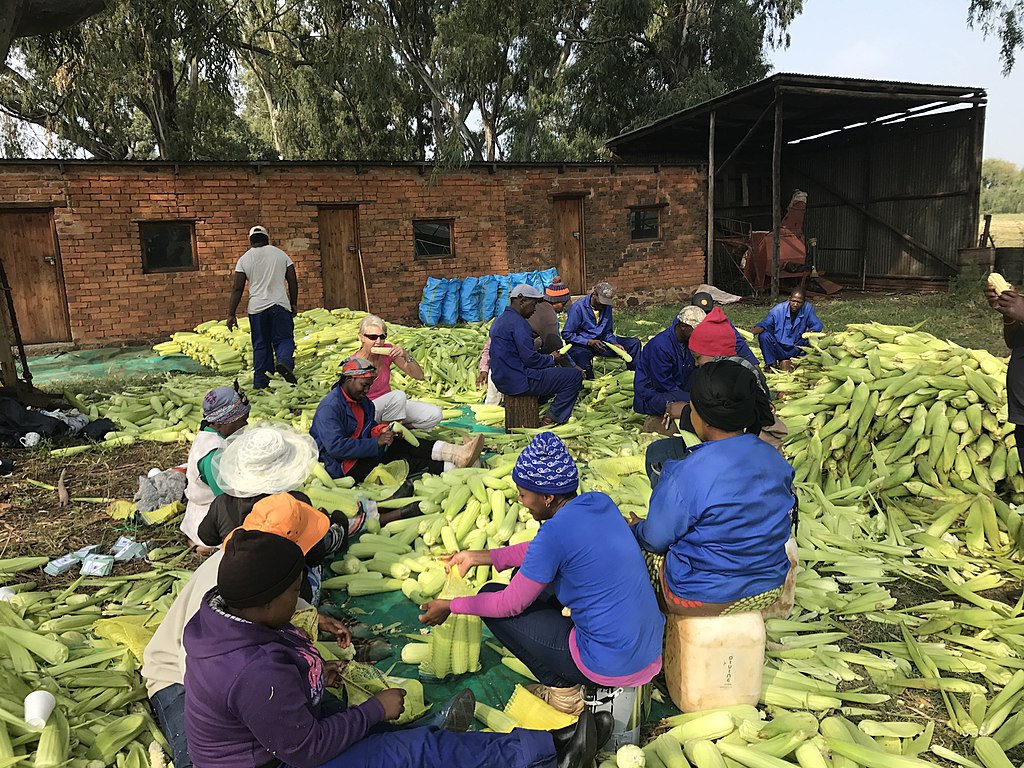
Photo: LMienie / CC BY-SA 4.0